Thursday, June 18, 2026

Fiction


I would like to be able to write stories like


John Grisham (1955- ) and


Scott Turow (1949- ). I can’t imagine writing something as interesting to as many people as they do.

I am interested in things like counterfactuals and science fiction related to law. I am fascinated by the way human nature can appear immutable and stable over thousands of years despite radical changes in technology and material circumstances and at the same time have contemporary quirks like deaths from taking selfies or texting while driving. It seems that we need to really know ourselves in order to offer some protection to a changing world. I am in Las Vegas right now. The entire economy of the State of Nevada is dependent upon one quirk of human psychology in which reward centers of the brain are sufficiently stimulated by slot machines that people will keep playing even though most people lose most of the time. If all the sudden nobody played slot machines anymore, Las Vegas would dry up and blow away. Tens of Billions of Dollars of investment depends upon people continuing to be fascinated with slot machines. Even though most people know the odds are against them, many individuals are drawn to playing slot machines due to a complex interplay of psychological and biological factors. 

1. The Brain’s Reward System:

  • Slot machines, like other forms of gambling and even addictive substances, stimulate the brain’s reward system by releasing dopamine.

  • Dopamine, a neurotransmitter associated with pleasure, creates a sense of excitement and euphoria during gameplay, reinforcing the behavior.

  • The anticipation of a potential win, even if a loss is more likely, can also trigger a dopamine response. 

2. Variable Ratio Reinforcement:

  • Slot machines utilize a “variable ratio schedule of reinforcement” where rewards are provided after an unpredictable number of responses (spins).

  • This unpredictability keeps players engaged and motivated, as they constantly anticipate the next potential win, despite knowing the overall low probability of winning.

  • This type of intermittent reinforcement can be highly addictive and makes the behavior resistant to extinction. 

3. Psychological Manipulations:

  • Near Misses: Slot machines are designed to create near-miss situations (e.g., getting two winning symbols and almost a third) which trigger the brain’s reward system similarly to actual wins, further encouraging players to keep trying.

  • Illusion of Control: Players may develop a false belief that they have control over the outcomes, especially when experiencing near misses, leading them to overestimate their chances of winning.

  • Sounds and Visuals: The flashing lights, engaging sound effects, and animations enhance the immersive experience and contribute to the overall excitement, capturing players’ attention. 

4. Cognitive Distortions:

  • Gamblers may exhibit cognitive biases, such as the gambler’s fallacy, believing that past outcomes influence future results (e.g., a loss streak means a win is due).

  • This distorted thinking can fuel the urge to continue gambling, leading to prolonged sessions and increased losses. 

5. Other Factors:

  • Accessibility: Slot machines are widely available in casinos, bars, and online platforms, making it easy to engage in continuous play without restrictions.

  • Low Stakes: The relatively low initial cost of playing can entice individuals to start, potentially leading to larger losses over time.

  • Social Interaction: Online platforms and casino environments can offer a social aspect to gambling, with communities, chats, and leaderboards. 

In essence, slot machines are expertly designed to leverage the brain’s reward system, employ intermittent reinforcement, utilize psychological manipulations, and capitalize on cognitive biases to create an addictive experience that keeps players engaged, even in the face of consistent losses. 


A counterfactual would be like an imagining of how the world would be if the U.S. simply allowed the Confederate States of America to secede from the United States of America.

Had the United States allowed the Confederate States of America to secede peacefully without a Civil War, a complex and significantly different historical trajectory would likely have unfolded. Here’s a breakdown of potential consequences: 

1. A Divided Nation: 

  • The United States would have been split into at least two separate countries, the Union (North) and the Confederacy (South). It is possible that states like Maryland and Virginia may have in time chosen to rejoin the United States.

  • It’s possible that internal differences within the Confederacy, a loose confederation of states prioritizing individual states’ rights to allow Slavery, could have led to further fragmentation and instability based on issues other than Slavery and Fractured into more than one Southern Country. 

2. Slavery and its Aftermath: 

  • Slavery would likely have lasted longer in the Confederacy than it did in reality, but it would still have likely ended because of economic inviability and worldwide condemnation.

  • The Confederacy’s constitution explicitly upheld the institution of slavery, according to History.com.

  • Even if slavery were eventually abolished due to international pressure or economic factors, it’s possible a system similar to apartheid might have emerged to maintain a hierarchical structure as Jim Crow did following the end of the Civil War.

  • The fight for racial equality would have been significantly delayed, and civil rights advancements like the 13th, 14th, and 15th Amendments might not have been enacted as quickly or at all. 

3. Economic Divergence: 

  • The Union, with its growing industrial economy, would have likely continued to industrialize and prosper.

  • The Confederacy, primarily an agricultural economy heavily reliant on cotton exports, would have faced significant economic challenges.

  • International pressure and changing global markets (such as the rise of India and Egypt as cotton producers) might have weakened the Confederacy’s economy.

  • Without the benefit of federal programs, the South’s economic development could have lagged significantly.  This may have resulted in a situation like we have with Mexico where undocumented migrant workers risk their lives to come to the United States and face significant exploitation from both private business and the government itself in terms of Immigration enforcement.

4. Geopolitical Landscape: 

  • The US would have been a smaller and potentially less powerful nation without the southern states. WWI and WWII would have been different without the participation of the United States. US non-participation in WWI and WWII would have dramatically altered the course of the 20th century. Here’s a summary of the likely consequences based on the information provided:

  • Without US involvement in WWI:

  • Potential Allied defeat or stalemate: Most historians agree that the US entry into WWI tipped the scales against Germany. Without US weaponry, munitions, loans, and fresh troops, the Allies would have been in a much worse position.

  • Negotiated peace or German terms: A likely scenario is a negotiated peace or a victory for Germany, potentially on its own terms.

  • No Treaty of Versailles: The Treaty of Versailles, considered by many historians to have contributed to future conflicts, would likely not have happened in the same form, according to The Institute of World Politics. There might not have been a WWII.

  • Different Germany: A victorious Germany might have seen no need for a figure like Hitler, and the Bolshevik Revolution might not have occurred.

  • Shift in Global Power: Europe could have remained the dominant global power, with Germany potentially becoming the most powerful player on the world stage. 

  • Without US involvement in WWII:

  • Extended War: The war would have likely lasted longer.

  • Stalemate or Axis dominance: The Axis powers (Germany and Japan) would have been in a much stronger position without the US’s industrial production and military force. Germany might have conquered Europe, and Japan could have expanded its empire. Some sources suggest a stalemate might have occurred, particularly on the Eastern Front.

  • The Holocaust: The fate of Jewish people during the Holocaust remains a crucial concern. While the US wasn’t solely responsible for preventing the Holocaust, its actions could have potentially reduced the death toll. The outcome for European Jews could have been more devastating without the US.

  • Different End to the Pacific War: An invasion of Japan would likely have been necessary without atomic bombs. This would have resulted in an enormous number of casualties on both sides, with potentially millions of casualties. Japan might have been partitioned between the Allied powers (primarily the US and USSR in this scenario).

  • No Cold War as we know it: The geopolitical landscape would be vastly different. The absence of the US as a major player in the Allied victory would likely prevent the emergence of a bipolar world dominated by the US and USSR. Some sources suggest a different form of “Cold War” might have occurred, but its nature and actors would be fundamentally altered. 

  • Important Considerations:

  • Lend-Lease aid: The US provided significant support to the Allies, especially the Soviet Union, even before officially entering WWII.. This aid played a vital role in sustaining the Allied war efforts.

  • Technological development: WWII spurred technological advancements like nuclear weaponry. Non-participation by the US could have altered the timeline and nature of such developments. 

  • In Conclusion:

  • US non-involvement in either World War would have created a vastly different world, with profound consequences for the political, economic, and social landscape of the 20th century and beyond. Both wars would have likely had a longer and possibly different outcome without the US, significantly impacting nations and the lives of millions. 

  • The Confederacy might have pursued expansionist policies, potentially aiming to annex territories like Mexico or Cuba and may have been defeated. The Confederacy may have participated in both World Wars. This “what-if” scenario is intriguing and would create a world vastly different from our reality. Here’s a possible breakdown of events and consequences based on the provided search results:

  • 1. An Independent Confederacy & Isolated United States:

  • The United States, having allowed the Confederacy to secede peacefully, would be a smaller and potentially weaker nation.

  • It might have adopted a more isolationist stance, focusing inward and avoiding major foreign entanglements like the World Wars.

  • The Confederacy, if it managed to establish itself as a stable, independent nation, would be economically disadvantaged due to its reliance on slavery and its slower industrialization compared to the North.

  • The issue of slavery would continue, potentially for a much longer time.

  • The Confederacy might have developed an apartheid-like system or faced pressure from its allies to abolish slavery. 

  • 2. The Confederacy in WWI:

  • The Confederacy’s foreign policy would likely be closely tied to its major trading partners and potentially its allies who might have supported its independence. One Quora user suggests that if Britain and France had recognized Confederate sovereignty, the Confederacy might have sided with the Allies in WWI.

  • The United States, due to animosity over the support for the Confederacy and a potential alliance with Germany to counter the CSA’s European allies, could have aligned itself with the Central Powers.

  • This could lead to a two-front war for the United States, facing the Confederacy in the South and potentially Canada (aligned with the Confederacy’s European allies) in the North.

  • However, it’s also possible the Confederacy would have remained neutral in WWI, given its focus on internal matters and its potential economic fragility. 

  • 3. The Confederacy in WWII:

  • If WWII occurred in a similar form, the Confederacy’s choices would again depend on its existing alliances and geopolitical circumstances.

  • Given its historical ties to Britain and France and its economic reliance on these nations, the Confederacy would likely side with the Allies.

  • The United States, having remained isolationist, would likely not participate in the war, leaving the Confederacy to join the fight against (or on the side of if collapsing Slavery weakened historical ties) Germany and Japan.

  • The CSA’s industrial capabilities might be limited compared to the United States in the real timeline, potentially affecting its ability to contribute significantly to the war effort.

  • However, its strategic location and potential alliances could still make a difference in the outcome of the war. 

  • 4. Geopolitical Shifts:

  • The absence of a unified United States with global power would create a power vacuum, potentially allowing other nations, such as China, to expand their influence.

  • A fragmented North America could lead to increased regional tensions and conflicts.

  • NATO, in the absence of US leadership, would be significantly weakened, potentially allowing Russia to become more aggressive. 

  • Important Considerations:

  • Slavery: The fate of slavery within the Confederacy remains a major variable. International pressure and internal conflicts could force its eventual abolition, but the transition would likely be difficult and prolonged.

  • The nature of WWII: It’s unlikely that WWII would have occurred in exactly the same way without US involvement. The events leading up to the war, the alliances formed, and the strategies employed would all be altered.

  • Confederate Stability: The long-term stability and viability of an independent Confederacy are uncertain. Its economic weaknesses and social tensions could lead to internal unrest or even collapse. 

  • In conclusion, this complex scenario highlights the immense impact the United States had on global affairs in the 20th century. An independent Confederacy and an isolationist United States would have created a significantly different world, with a different balance of power, a prolonged struggle for racial equality, and a potentially altered course for the World Wars. 

  • This could have led to conflicts with the United States or other global powers, as suggested by the possibility of the Union allying with Germany in a conflict with the Confederacy.

  • A scenario involving two competing nations on the same continent could have resulted in significant tensions and perhaps even further warfare. 

5. A Different Union: 

  • The Union, without the influence of southern states, might have become more progressive and less reliant on compromise with conservative southern politics.

  • The focus on states’ rights to allow slavery, which was a core principle for the Confederacy, might have been less emphasized within the remaining Union. 

In summary, a peaceful secession, while avoiding the devastating human cost of the Civil War, would have likely created a fragmented and economically unequal landscape in North America, with the issue of slavery persisting for a prolonged period and the fight for racial equality significantly delayed. 


Wednesday, June 17, 2026

Fall from Grace


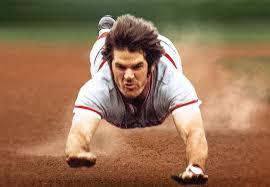
I have become disillusioned with people I looked up to. They include: Bill Cosby, Kevin Spacey, Morris Dees, Lance Armstrong, Mel Gibson, Rudi Giuliani, Paula Deen, Tiger Woods & Pete Rose.

Bill Cosby:


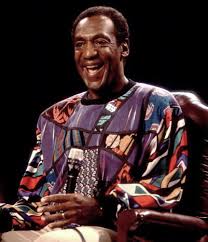
  • I remember Bill Cosby being funny, and having fun like in this photo. I had a Cosby sweater. I used to imitate the Fat Albert voice and Jello pudding commercials. I am sad about his fall from Grace.

  • Once known as "America's Dad," the admired comedian and actor was accused by dozens of women of sexual assault and misconduct.

  • Bill Cosby's fall from grace was due to numerous accusations of sexual assault and misconduct, which ultimately led to a criminal conviction (though later overturned) and a significant loss of his once-beloved public image. 

  • Here's a closer look:

  • Sexual Assault Allegations: Dozens of women came forward alleging that Cosby drugged and sexually assaulted them over several decades. These accusations gained widespread attention, particularly during the rise of the #MeToo movement.

  • Criminal Trial and Conviction: While Cosby's first trial related to allegations by Andrea Constand ended in a hung jury, a retrial in 2018 resulted in a conviction on three counts of aggravated indecent assault. This conviction was widely seen as a significant moment in the #MeToo movement, demonstrating that even powerful figures could be held accountable for sexual misconduct.

  • Overturned Conviction: Cosby's conviction was later overturned by the Pennsylvania Supreme Court in 2021 on procedural grounds. The court found that Cosby was unfairly prosecuted because a previous district attorney had promised him he wouldn't be charged over Constand's accusations, and that he relied on this promise when giving a deposition in a civil case.

  • Continued Lawsuits and Fallout: Despite the overturned criminal conviction, Cosby continues to face civil lawsuits from accusers, and his legacy remains significantly tarnished. His career and public image, once synonymous with fatherly figures and family entertainment, were irrevocably damaged. 

  • In essence, the numerous and credible allegations of sexual misconduct and the subsequent legal proceedings caused Bill Cosby's fall from grace, leaving a lasting impact on his reputation and legacy. 

Kevin Spacey:


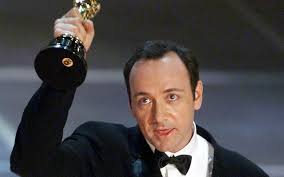
  • Kevin Spacey is so talented. I really enjoyed what he did in American Beauty, House of Cards, the Usual Suspects, Midnight in the Garden of Good and Evil, and the Life of David Gale. I am sad about his fall from Grace.

  • Kevin Spacey's fall from grace was caused by a series of sexual assault and misconduct allegations that emerged against him in late 2017, coinciding with the rise of the #MeToo movement. 

  • Here's a summary of the events:

  • Initial Allegations: The first major public accusation came from actor Anthony Rapp, who alleged that Spacey made a sexual advance toward him in 1986 when Rapp was 14 and Spacey was 26.

  • Subsequent Accusations: Following Rapp's allegations, several other men came forward with similar stories of alleged sexual misconduct by Spacey, including instances of inappropriate touching and sexual advances. These allegations spanned decades and involved multiple individuals, including those who worked on the set of "House of Cards" and at the Old Vic Theatre in London where Spacey served as artistic director.

  • Career Fallout: The accusations led to a swift and significant impact on Spacey's career. Netflix fired him from his starring role in "House of Cards," and his character, Frank Underwood, was killed off. His scenes in the film "All the Money in the World" were reshot with another actor, and Netflix also canceled the biographical film "Gore" in which he was set to star. His agent and publicist also dropped him.

  • Legal Battles and Acquittals: Spacey faced legal proceedings in both the United States and the United Kingdom. While he was found not liable in a civil lawsuit brought by Anthony Rapp in the U.S. in 2022, he was acquitted of all charges in a separate criminal trial in the U.K. in 2023, according to AP News.

  • Controversy surrounding Response: Spacey's initial response to the allegations, in which he combined an apology to Rapp with a public announcement about his sexual orientation, was met with criticism. Some viewed it as an attempt to divert attention from the allegations. 

  • In summary, Kevin Spacey's fall from grace was triggered by widespread allegations of sexual misconduct and the ensuing legal and professional consequences, resulting in a dramatic change in his career trajectory.

Morris Dees:


  • I thought that Morris Dees represented the best in being a lawyer. When I was in Law School in Spokane, he won the case in Hayden Lake Idaho against Richard Butler and the Aryan Nations causing their bankruptcy and loss of their compound. I am sad for his fall from Grace.

  • Morris Dees, the co-founder and former chief trial counsel of the Southern Poverty Law Center (SPLC), experienced a significant fall from grace due to a combination of factors, including:

  • Allegations of Sexual Harassment and Racism: Following a staff revolt and the resignation of a highly-respected Black attorney, numerous allegations of sexual harassment and racial discrimination within the SPLC surfaced. Employees wrote letters expressing concerns that internal issues threatened the SPLC's moral authority and integrity. Some female employees claimed they were warned against being alone with Dees. Some employees alleged that the Southern Poverty Law Center’s leadership had ignored or covered up multiple sexual assault allegations against Dees through the years and that female employees sometimes faced retaliation for making the claims.

  • Workplace Culture Concerns: Beyond Dees, there were broader concerns about the SPLC's workplace culture, including a perceived lack of diversity, equity, and inclusion in leadership positions. Former employees expressed that the organization's predominantly white leadership didn't adequately address internal issues of racism and sexism.

  • Focus on Fundraising over Litigation: Critics, including former SPLC staff, alleged that Dees was more focused on fundraising, particularly by targeting hate groups, than on crucial, but potentially less profitable, civil rights cases. The organization's legal department even resigned in 1985 in protest of Dees' approach, according to one account.

  • Overreach in Labeling "Hate Groups": The SPLC has been criticized for labeling a wide range of organizations as "hate groups," often based on political or ideological differences rather than actual threats of violence. Some argue this strategy is used to demonize opponents and silence debate, rather than promoting civil discourse.

  • Misconduct Allegations: Dees was eventually fired from the SPLC for "unspecified misconduct," after having previously been disciplined for "inappropriate conduct". While he denied the allegations, the SPLC stated his actions didn't reflect the organization's mission. 

  • These issues, particularly the internal allegations of mistreatment, led to a leadership crisis at the SPLC, culminating in Dees's firing and the resignation of other senior leaders, including the organization's president, Richard Cohen. The events forced the SPLC to acknowledge its internal struggles and hire an outside organization to review its workplace culture. 

Lance Armstrong:


  • I had a yellow "Live Strong" Lance Armstrong cancer bracelet that I wore for a long time. I looked up to him and thought of him when I pushed myself on my bike. He was inspiring. I am sorry for his fall from Grace.

  • The celebrated cyclist and cancer survivor became a symbol of resilience and determination.

  • Lance Armstrong's fall from grace was due to widespread doping and a systematic cover-up of his use of performance-enhancing drugs throughout his cycling career. 

  • Here's a breakdown of the key factors that led to his downfall:

  • Systematic Doping: Armstrong's success was built on a sophisticated doping program involving EPO, testosterone, blood transfusions, and other banned substances. This program was described by the U.S. Anti-Doping Agency (USADA) as "the most sophisticated, professionalized and successful doping program that sport has ever seen.".

  • Years of Denial and Cover-up: Armstrong vehemently denied using performance-enhancing drugs for years, even attacking those who accused him of doping. He employed various tactics to evade detection, including timing doses carefully, using saline IVs to manipulate blood values, and allegedly paying off cycling officials to cover up positive tests.

  • Whistleblower Testimony: Former teammates like Floyd Landis and Tyler Hamilton came forward with detailed accounts of the doping practices within the US Postal Service team, exposing Armstrong's role in organizing and enforcing the program.

  • USADA Investigation and Report: The USADA conducted a comprehensive investigation, gathering extensive evidence including eyewitness accounts, financial records, and scientific data, concluding that Armstrong had engaged in systematic doping.

  • Stripped Titles and Lifetime Ban: In 2012, Armstrong was stripped of his seven Tour de France titles and banned for life from competitive cycling by cycling's governing body following the USADA report. This decision was based on overwhelming evidence of his doping activities.

  • Public Confession: After years of denials, Armstrong finally admitted to doping during a televised interview with Oprah Winfrey in January 2013. This confession confirmed the widespread use of performance-enhancing drugs and marked a turning point in the scandal.

  • Loss of Endorsements and Financial Penalties: The scandal led to the loss of millions of dollars in endorsement deals and legal battles, including a $5 million settlement with the US government. 

  • In summary, Lance Armstrong's fall from grace was caused by his systematic use of performance-enhancing drugs, his persistent denial of these practices, and the overwhelming evidence that ultimately exposed the truth, leading to the stripping of his titles, a lifetime ban, and irreparable damage to his reputation and legacy.

Mel Gibson:

  • The Academy Award-winning actor and director's career was significantly impacted by reports of anti-Semitic and misogynistic remarks, along with allegations of abuse.

  • Mel Gibson's fall from grace was largely due to a series of controversial statements and actions that revealed a pattern of problematic behavior, particularly involving anti-Semitic, homophobic, and misogynistic remarks, as well as accusations of domestic violence. 

  • Here are key events that contributed to his downfall:

  • DUI Arrest and Controversial Remarks: During a DUI arrest in 2006, Gibson made statements that drew widespread criticism.

  • Leaked Tapes with Abusive Language: In 2010, audio recordings were leaked of Gibson making abusive remarks.

  • Allegations of Domestic Violence: His ex-girlfriend alleged physical abuse, leading to a misdemeanor battery charge in 2011.

  • Past Instances of Controversial Behavior: Even before these incidents, Gibson had a history of making controversial statements.

  • Impact on Career and Reputation: These controversies significantly damaged Gibson's reputation and impacted his career in Hollywood for a period of time. 

  • While Gibson has since directed successful films and continues to act, his earlier controversies have had a lasting impact on his public image and continue to be a subject of discussion.

Rudy Giuliani:

  • Once hailed as "America's Mayor" for his leadership after the 9/11 attacks, Giuliani's reputation has been diminished due to various controversial actions and statements.

  • Rudy Giuliani's fall from grace is a complex story with multiple contributing factors, but a central theme is his close involvement with Donald Trump and his efforts to overturn the 2020 election results

  • Here's a breakdown of the key elements that led to his downfall:

  • Role as Trump's Personal Attorney and "Fixer": Giuliani became a key figure in Trump's legal and political endeavors, taking on a role that involved pushing false allegations and conspiracy theories. He was described as Trump's chief fixer and attack dog.

  • Efforts to Overturn the 2020 Election: Giuliani spearheaded lawsuits and made unfounded claims of widespread voter fraud in an attempt to overturn the election results. His actions were seen as a direct challenge to the integrity of the democratic process.

  • Spreading False Allegations and Conspiracy Theories: Giuliani actively promoted conspiracy theories and pushed false allegations, such as the claim that election workers were engaged in illegal activity, leading to defamation lawsuits against him.

  • Legal Consequences: His involvement in the post-election efforts resulted in devastating consequences, including:

    • Defamation lawsuits: He was found liable for defaming election workers and ordered to pay millions in damages.

    • Disbarment: Giuliani's law licenses in New York and Washington D.C. were suspended or revoked due to his actions and statements related to the 2020 election.

    • Criminal Charges: He faces criminal charges in Georgia and Arizona related to efforts to overturn election results.

  • Damaged Reputation and Financial Ruin: Giuliani's public image and reputation, once seen as "America's Mayor" after 9/11, were severely damaged. His financial situation has also suffered, leading to personal bankruptcy. 

  • In essence, Giuliani's decision to align himself closely with Trump and actively participate in efforts to overturn the 2020 election through the spread of false claims and legal actions is widely considered the primary cause of his fall from grace. This has led to a significant loss of respect, legal challenges, and financial ruin.

Paula Deen:

  • The celebrity chef known for her Southern cooking and television shows lost her endorsements and was dropped by the Food Network following a racial discrimination lawsuit. 

  • Paula Deen's fall from grace was primarily caused by admitting to using a racial slur and the ensuing public backlash and loss of endorsements and business relationships. 

  • Here's a breakdown of the key factors:

  • Lawsuit and Deposition: A lawsuit was filed against Deen and her brother by a former manager of their restaurant, alleging racial discrimination and sexual harassment. During a deposition for this lawsuit, Deen admitted to using the "N word" in the past.

  • Public Outcry and Loss of Endorsements: When Deen's deposition testimony became public, it led to a widespread public outcry and a significant loss of endorsements and business relationships. Major companies like Walmart, Target, Home Depot, Sears, and JCPenney, as well as the Food Network, cut ties with her.

  • Media Coverage and Backlash: The media extensively covered Deen's admission and the subsequent fallout, further fueling the public backlash.

  • Impact on Reputation and Career: The controversy significantly damaged Deen's reputation and led to the cancellation of her Food Network show. 

  • While the lawsuit itself was eventually dismissed, the revelation of Deen's use of racial slurs caused a severe and lasting impact on her career and public image.

Tiger Woods:


  • I think Tiger Woods is amazing. He is a trailblazer for people of color in golf. I am sorry for his fall from Grace.

  • The golf superstar's image as a wholesome family man was shattered by revelations of infidelity, resulting in the loss of major sponsors and a temporary hiatus from the sport. 

  • Tiger Woods' fall from grace was primarily triggered by a scandal involving multiple extramarital affairs, which came to light following a car accident near his home in November 2009. 

  • Here's a breakdown of the events:

  • Car Accident: The car accident itself, where his SUV struck a fire hydrant and a tree, drew media attention and scrutiny to his personal life.

  • Revelations of Infidelity: Shortly after the accident, the National Enquirer published a report alleging that Woods was having an affair with a nightclub hostess, Rachel Uchitel. This initial report was followed by numerous other women coming forward with similar claims, leading to widespread public exposure of his extramarital affairs.

  • Public Outcry and Loss of Endorsements: The scandal caused a significant public outcry, leading to the loss of major endorsement deals with companies like Accenture, Gillette, and Gatorade.

  • Impact on Career and Reputation: The scandal forced Woods to take a hiatus from golf, seek therapy, and undergo a divorce from his wife, Elin Nordegren. While he eventually returned to golf and even won the Masters in 2019, his reputation was significantly damaged, and his career was never quite the same as it was before the scandal. 

  • In summary, Tiger Woods' fall from grace was a direct result of his infidelity, which came to light after a car accident and led to a media frenzy, public backlash, loss of endorsements, and damage to his career and reputation. 

Mario Batali:


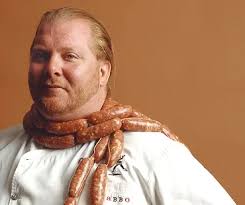
I enjoyed seeing Mario Batali. I am sorry for his fall from Grace.

Mario Batali, a celebrated chef and restaurateur known for his Italian cuisine and frequent appearances on television, experienced a significant downfall largely due to numerous accusations of sexual misconduct and creating a hostile work environment. 

Here's a breakdown of the key factors that led to his fall from grace:

  • Sexual Misconduct Allegations: In 2017, multiple women came forward with allegations of sexual harassment and assault by Batali, ranging from inappropriate touching to groping and sexual assault.

  • Widespread Impact of #MeToo Movement: These allegations emerged during the height of the #MeToo movement, which emboldened victims to speak out against powerful individuals who had engaged in similar misconduct.

  • Reports of Hostile Work Environment: Investigations and reports highlighted a culture of misconduct and harassment at restaurants associated with Batali, describing a "boys club" atmosphere where women were subjected to verbal and physical harassment.

  • Legal Consequences and Settlements:

    • Batali faced criminal charges in Boston related to alleged sexual assault, though he was acquitted in a non-jury trial.

    • He also settled civil lawsuits with accusers.

    • In 2021, Batali, his business partner Joe Bastianich, and their restaurant company (formerly B&B Hospitality Group) agreed to a $600,000 settlement with the New York attorney general's office, resolving a four-year investigation into allegations of sexual harassment and discrimination.

  • Professional and Financial Consequences:

    • Batali stepped away from his restaurant empire and sold his stake in the Batali & Bastianich Hospitality Group.

    • His name was removed from the restaurant group's website, and he no longer profits from his former restaurants.

    • He also sold his minority shares in Eataly, an Italian food market chain he was involved with.

    • ABC canceled "The Chew," a cooking talk show he co-hosted.

    • His reputation was severely damaged, and he faced significant backlash from the public and the restaurant industry. 

In summary, Mario Batali's fall from grace was primarily caused by the numerous and widespread accusations of sexual misconduct and the ensuing legal consequences and professional ramifications. His actions led to the dismantling of his extensive restaurant empire and a lasting impact on his public image.

Pete Rose:


I used to practice stealing 2nd base like Pete Rose. My mom said he had the best butt in MLB. My best friend Scott told him that when he saw him at a card signing event in Pennsylvania. I am sad for his fall from Grace.

Pete Rose's fall from grace in baseball was primarily caused by gambling on baseball games, specifically while he was managing the Cincinnati Reds. This was a clear violation of a fundamental rule in Major League Baseball (MLB). 

Here's a breakdown of the events that led to his ban and the impact:

  • Gambling Allegations: In 1989, allegations surfaced that Rose was not only betting on baseball games but also on his own team while managing the Cincinnati Reds.

  • MLB Investigation: MLB Commissioner A. Bartlett Giamatti initiated an investigation, led by lawyer John Dowd, which compiled extensive evidence of Rose's gambling activities, including betting on the Reds. The Dowd Report, a 225-page document, detailed these transgressions.

  • Permanent Ban: Although Rose initially denied the allegations, he eventually accepted a settlement that resulted in a permanent ban from baseball in 1989. This ban prohibited him from working in MLB and made him ineligible for the Hall of Fame.

  • Later Confession: After years of denial, Rose publicly admitted to betting on baseball in his 2004 autobiography, *My Prison Without Bars*.

  • Impact on Legacy: Despite his impressive on-field accomplishments, including being the all-time hits leader in MLB, Rose's gambling scandal significantly damaged his legacy and prevented his induction into the National Baseball Hall of Fame. 

In summary, Pete Rose's gambling on baseball games, particularly on his own team, was the direct cause of his fall from grace in the sport. This violation led to his permanent ban and tarnished his otherwise legendary career.

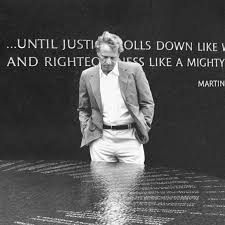
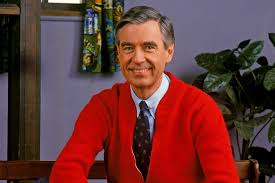
Fred Rogers


Just Kidding. Fred Rogers is my hero.


Sunday, June 14, 2026

Lawyer Jokes

 Here is a curated selection of classic lawyer jokes, categorized for quick reading.

The Classics
  • What is the difference between a good lawyer and a great lawyer? A good lawyer knows the law. A great lawyer knows the judge.
  • Why did the shark refuse to bite the attorney? Professional courtesy.
  • What do you throw to a drowning lawyer? His briefcase.
  • What is the difference between a lawyer and a trampoline? You take your shoes off before you jump on a trampoline.
Billable Hours & Fees
  • A man asks a lawyer his rates. "It is $500 for three questions," the lawyer says. "Isn't that awfully expensive?" asks the man. "Yes," replies the lawyer. "What is your third question?"
  • A lawyer dies and goes to heaven. "There must be a mistake," the lawyer argues to Saint Peter. "I am only 40 years old!" Saint Peter looks at his book and replies, "According to your billable hours, you are 92."
  • Why are laboratory scientists switching from mice to lawyers? There are some things a mouse just won't do, and you do not get as attached to the lawyers.
In the Courtroom
  • A judge asks a defendant: "Do you understand you are facing charges of perjury?" The defendant turns to his attorney and asks, "What does that mean?" The lawyer replies, "It means you are going to jail if you tell the truth."
  • What do you call a lawyer who loses his briefcase? Disarmed.
  • How many lawyers does it take to change a lightbulb? How many can you afford?

Monday, August 30, 2021

OUTLIERS By Malcolm Gladwell (2008)


OUTLIERS By Malcolm Gladwell (2008)


 Adventure of Discovery of the Minds of Others.  Reading Malcolm Gladwell is to be in the presence of a great mind, a great heart, and a great spirit.  He goes beyond the intellectual stimulation for which he is so rightly famous, and shows real sensitivity to the human condition.  I feel that Malcolm Gladwell cares about what I do with the insights he has given me.  The insights themselves are a treat.  The caring on top of that is surprising and delightful.

I would feel presumptuous in the extreme to write a book review of any of  Malcom Gladwell's works.  I would feel wholly inadequate to do a book report on any of his works.  Instead, my attempt is to make notes on my experience of the adventure of discovery of the minds of others.  In so doing, it is my hope to honor Mr. Gladwell by showing just how much his work made me think, feel, and get more in touch with my humanity.

Mr. Gladwell wanted to be a lawyer.  He would have been an excellent lawyer (but it would have been a waste in the same way Eddie Redmayne becoming a lawyer would have been a waste).  Understanding the view from the other side of the table is vital to lawyering.  Getting into the mind of the opposing party, and opposing counsel, and understanding how they think and perceive the situation is an invaluable skill.  Mr. Gladwell celebrates that skill.  He is a master at play with that skill.  It is beautiful to watch.


What Leads to Success (and Failure) Exploring  some of the interactions between the extraordinary skills, brainpower, and work and other factors such as when a person was born within the year and when and where in the context of world events a person is born can yield surprising insights.  As extraordinary as individual achievement can be, it always exists within a context. 

In an acceptance speech at the 1997 Emmy Awards, Fred Rogers famously timed a group of entertainment industry elites  for one minute while they thought about the people who loved them into being. The camera panned the faces in the audience as tears of gratitude began to flow.  No matter how much ability we have or how hard we worked, other individuals (and societies past and present) play a role in our success. Truly appreciating what we have been given must involve concern for the distribution of chances for meaningful work that we have enjoyed and others have not.

I heard an interview of Randy Newman in which he talked about the musicians he knows who are much more talented than he is, but don't have anywhere close to the wealth and fame he enjoys.  There is a beauty in the humility of Bill Gates when he says: "I was very lucky."  He's brilliant and he worked terribly hard, but understanding that other talented people work very hard and get the tiniest fraction of the rewards.

Relative Age & Canadian Hockey Mr. Gladwell tracks the birth month of Canadian Hockey Players to find that the largest majority are born in the first three months of the year and decrease to nearly nil by December 31st.  Scholars call the trajectories of successful hockey players "cumulative advantage."  The idea being that an elementary school student who is almost a year older than some peers gets selected early as more talented and given more opportunities to improve.  A talented hockey player born at the end of December simply never will get those same opportunities, no matter how talented.  Cumulative advantage over a decade surpasses any level of undeveloped talent.  This has been called the Matthew Effect from the biblical concept that the have's get more and the have nots have what little they have taken from them (rich get richer; poor get poorer).  Wealth and income inequality is nothing new.  A possible mitigator could be staggering the school year cutoff age so that for some it is January 1st and others it is July 1st.

I was born on July 7, 1968.   I an not talented at sports, so being born in the second half of the year didn't make any difference for me.  However, in part due to U.S. military involvement in Vietnam, 1968 as a "baby bust" year.  The generation right behind mine, the Baby Boomers, is the largest generation in American history.  MLK and Bobby Kennedy were both assassinated in 1968.  1974 was a peak year for divorce (that is the year my parent's divorced), which tends to be positively correlated with high unemployment and high inflation.  I don't know the extent of these world events on me, but I did get a fresh perspective on how what age a person is when world events occur can make a big difference in opportunities (or risks).  For example, my grandfather was born in 1901.  He was too young for WWI (13) and too old for Korea (49).  One of my mom's patient's at the VA Hospital in Spokane was in both WWI and WWII.

Opportunties Can Arise for One Generation; then Disappear Drivers of wealth creation change over time.  What was once a leading industry evaporates.  At one time wool was a huge industry in which great fortunes were made.  Nobody goes into wool to get rich today.  Cotton was once "King" creating fortunes (and misfortunes) that still reverberate through society today.  Nobody goes into cotton to get rich today.  Ditto Railroads. The largest accumulations of wealth in the world today tends to be clustered around Extraction (Oil, Gas, Coal, Metals & Minerals), Sale of Goods (Amazon, Walmart, Mars Candy, Fashion), and High Tech & Information (Apple, Google, Microsoft, Facebook, Amazon).  Extraction has such high barriers to entry that it is old money predominantly.  The new money is is tech and sales.  So, it matters a lot if you were born in 1935 or 1955.

Cultural Legacies (Past & Present.  It is a little easier to get my head around the idea the culture in which a person grows up may tend to provide some advantages and some disadvantages.  Getting used to the idea that how my ancestors lived centuries ago may be affecting me now is tougher, but Mr. Gladwell makes a compelling argument.

Asian Culture May Be of Benefit Understanding Math; But May Be Some Detriment in Communication Between Aircraft Pilots.  I never thought about the words used to represent numbers as having a bearing on the understanding of numbers, but they clearly do.  Since Cantonese has such short words for numbers, many Chinese people have no difficulty remembering a string of ten digits.  Most Americans struggle to do so.  I didn't know that Chinese numbers were the English equivalent of "ten-one,""ten-two,""ten-three,"4,6,6,7,8,9.  No fifteen.  Ten-Five.   Adding ten-one to ten-three is 2ten-four (24).  For fractions the English equivalent is "out of five parts; take three" instead of 3/5.  Having more intuitive descriptions for mathematical concepts appears to be a durable advantage.  There may be other advantages as well creating extraordinary cumulative advantage over time.

I was born in the village of Kwangju, South Korea, but I only lived there for a year before returning to the U.S. in 1969.  I know little of the culture.  I do remember reading an opinion piece in the Peace Corps newsletter from 1968 titled: "Why Do They Hate Us?."  The thinking was that it was because the relatively affluent Americans would leave after a couple of years and they would remain with their relatively difficult lives.  Now, that "village" has been subsumed by metropolitan Seoul, one of the largest cities in the world at over 25 million.  We have different groups that hate us for different reasons.

Korean culture is hierarchical.  It is based on subordinates hinting rather than expressing preference, rather than query, rather than suggestion, rather than objection, rather than command.  Psychologists use something called the Power Distance Index (PDI) to measure the continuum from individualism to collectivism.  Not surprising, America ranks high on the individualism scale and Korean culture ranks high on the collectivism scale.  The worldwide language of air traffic is English.  With English comes the bias in favor of more directness (that is putting it mildly in the case of LaGuardia).  So, a navigator or co-pilot who isn't speaking up to the Captain out of fear of being insubordinate can and did cause Korean Air crashes.  The safety record has been much improved through conscientious application of Aviation English and its concomitant bias in favor of speaking up.  It was the awareness of the cultural bias in favor of extreme deference to superiors as the issue causing the crashes that made the difference.  Assertiveness can be learned even if it isn't something a person grew up practicing.


Honor Cultures & Rice Paddy CulturesWhen I visited Ulster in Northern Ireland and saw the red hand monument and heard the bad ass story about the cutting off of the hand and throwing it ashore to be the first to touch land and claim it, I was taken aback by the testosterone that seemed to be showering all around.

I remember thinking about the seeming insanity of both Alexander Hamilton and his son dying in duels. I didn't know that these were the hallmarks of honor cultures. Perhaps because I am descended from poor Irish potato farmers, I can't relate to the ancient blood feuds of the Capulets and Montagues or the Hatfields and McCoys

Mr. Gladwell explains that a herding culture on hard scrabble land of marginal productivity is very different from a Rice Paddy Culture.  A herd of sheep, or goats, or cows, can be stolen ("rustled").  A rice crop cannot.  Growers of rice need cooperation for harvest.  They do not need to be intimidating.  Machiavelli said, "While it is preferable to be loved; if one cannot be loved - it is much safer to be feared."  It is with this backdrop that the killing in the Southern United States today starts to make sense.  People are killing people they know because of a disagreement, adultery, or a threat to "honor" of some kind.

10,000 Hours to Gain Expertise.  Mr. Gladwell is famous for exploring the idea that it takes 10,000 hours to become expert at something, anything - regardless of talent.  Bill Gates is a talented computer programmer.  He had far beyond 10,000 hours (and over 10 years of experience) by the time he dropped out of Harvard. Even Mozart arguably didn't produce a work of truly lasting significance until after he had been composing for 10 years.

After graduating Law School in 2002 I worked for law firms for five years until 2007.  2,000 hours per year for 5 years is 10,000 hours.  So, in my personal case, even though I had not heard of the 10,000 rule, I judged that I had gained enough expertise to "hang out my shingle" after that amount of time.

I worked in a Plaintiff's litigation firm, a family law firm, an insurance defense firm, and an estate planning and probate firm during those years. In Law School I did an internship in Criminal Defense.   I had a client call me crying because her x-husband sold their house and she didn't get her share of the proceeds.  I asked her in she recorded the Divorce Decree, the Judgment in her favor for half the home equity.  She said no because she didn't know she had to do so. Since I practiced divorce and had the experience from estate planning regarding deeds, I would never make that mistake.

My experience in litigation gives me insight into how Creditor's Lawyers approach suing Debtors.  I encourage clients to think about the view from the other side of the table so to speak.  Debt is an asset to be sold.  Judgments accrue 12% interest.  So, waiting to collect on debt is the equivalent of letting crops mature to harvest.  Harvest needs to be as quick and inexpensive as possible because delays cut into profits and incur "opportunity costs" because time spent calculating your balance due that you may never pay is time that could be spent making money from someone else.  Litigators who bill by the hour don't make money settling debts.  They have a disincentive for doing so.

My experience in Divorce Law in Las Vegas taught me that there is a conflict of interest between a lawyer billing $500 an hour and a client who wants to efficiently extricate themselves from a bad marriage.  Such lawyers have a disincentive regarding amicable settlement and would certainly never entertain the notion of an uncontested divorce by mail, which is available in Lincoln County Washington for all Washington State residents.

My experience in Insurance Defense taught me that law can be as dull as watching paint dry and unethical to boot.  A firm of a dozen lawyers had the objective of billing the insurance company (AIG) as many hours over 8 hours a day per lawyer as possible.  AIG did not simply state that overtime must be authorized in advance.  Instead they let the meter run while the partner talked on a cell phone while driving to a deposition billing .2 (twelve minutes) for every conversation no matter how short.  Thus, an hour of drive time could be billed for three hours. This reminded me of the joke about the lawyer asking Saint Peter at the Pearly Gates why he died so young.  Saint Peter replied that his billable hours indicated that he would have to be at least 150 years old.

I saw an ad in the back of the Nevada Bar Journal the likes of which I had not seen before, and have not seen since, for a commission only lawyer (25% of all billing).  After working the job for 6 months I knew why.  I didn't need the Managing Partner.   I could go out on my own - and did.  I made more than my salary working for firms.  The Managing Partner just got on the panel for a legal insurance provider, even though he had been practicing for 15 years.  Since he didn't know anything about it, he put me in charge of learning the insurance rules and interacting with the insurance provider.  I thank him for that to this day because I have made well over $1 million dollars over the years from legal insurance.

Stay in School.  My mom always told me to stay in school (and I did though my Masters Degree and my J.D.).  As a "latchkey kid" of a single parent mom, I could really related to what Mr. Gladwell explored regarding research into how much kids learn during the school year, and how much they learn over the summer.  It turns out that the most affluent kids learn a tremendous amount more over the summer than the least affluent kids.  This was certainly true of me.  Waiting to see if my dad would take me somewhere and do something with me was not the best use of time.

American schools have a 180-day school year; Japanese schools have 243.  The Knowledge is Power Program (KIPP) in the South Bronx with a year round schedule is what I needed growing up.  I needed a sense that I was worth investing in.  I needed to believe that if I got up early and worked hard and talked with people, I would belong - and have a bright future.

Serenity Prayer.  Pray for the wisdom to know the difference between what we can change and what we cannot.  Up until this point, the discussion of success has concerned things we cannot change about ourselves - our birth month, our birth year, our current culture, or the culture of our ancestors.  However, we have a chance of transforming our relationship to work if we appreciate these influences and become more skilled at adapting to our environment.  

I enjoyed target practice archery as a young person.  One of the things you need to pay attention to is even the slightest breeze.  If you are not aware of it and don't make adjustments you could completely miss the target.   We can't change when or where we were born or who our ancestors were, but we can be more aware of the influences these things may be having on us.  We can make adaptations and guage whether they are useful or maladaptive.